

Very friendly staff absolute pleasure to deal with ! Great selection and quality material I highly recommend
Posted on
Google

Great inventory and customer service
Posted on
Google
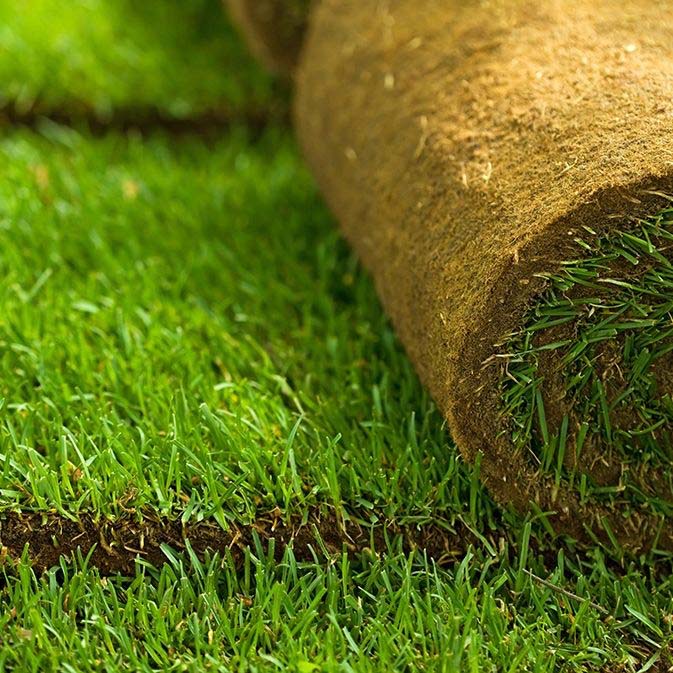
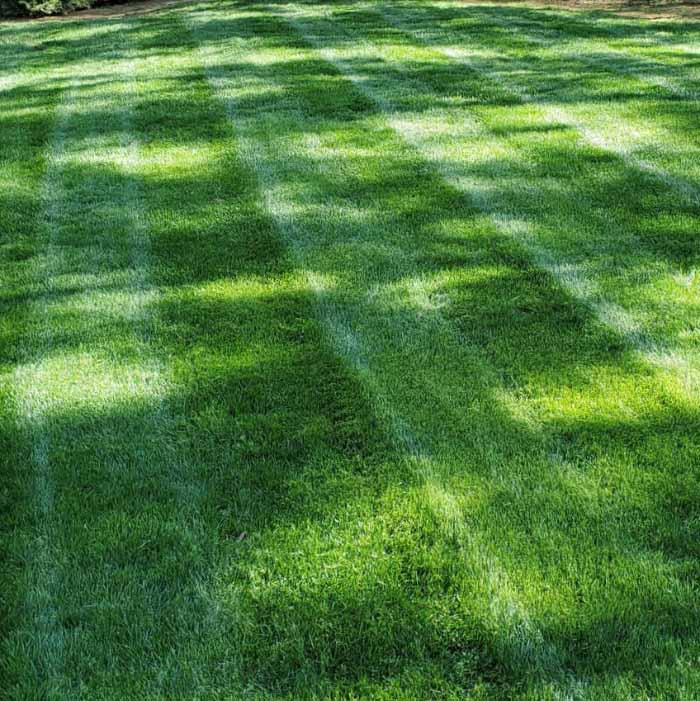
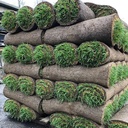
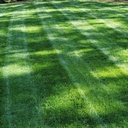
Kentucky Bluegrass Sod is a dense, attractive sod that spreads easily and blends well with existing grass. This sod is perfect for the temperate Ohio climate. The bright green or blue green color is pleasing to the eye, and the texture is soft and pleasant to the touch. ALL SOD MUST BE INSTALLED ON THE DAY IT IS DELIVERED OR PICKED UP. NO WARRANTIES OR RETURN ON SOD.
Kentucky Bluegrass Sod is one of the best sods on the market, especially in the cooler Central Ohio climate.
This piece of sod has a better cold tolerance than other types of grass, and it is able to spread more easily, making it great for turf and other projects. Kentucky Bluegrass Sod comes in 1 square yard pieces that blend well with existing grass.
Uses
Shape & Size
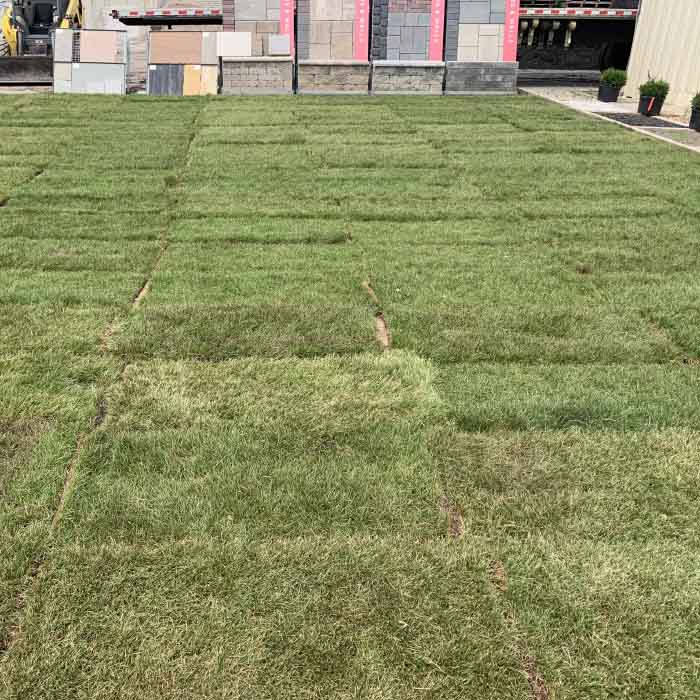
1 piece is 24" x 54" (1 square yard)
Rectangular shape
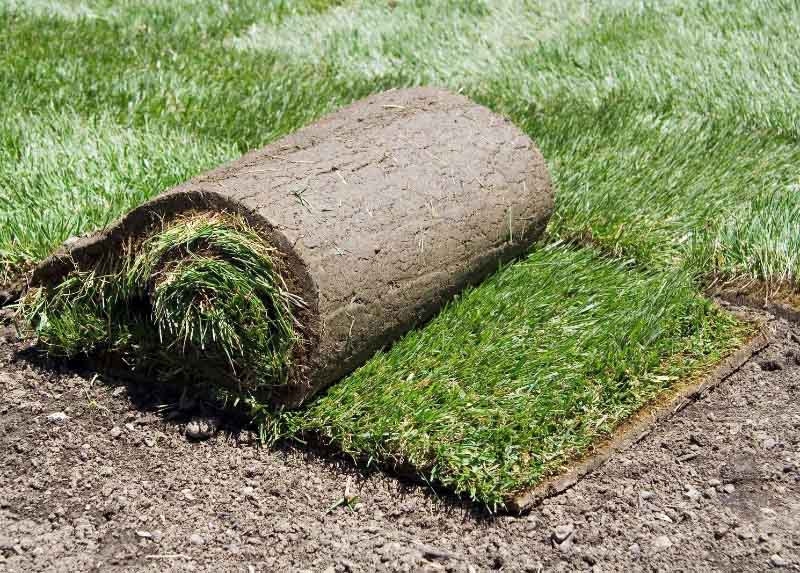
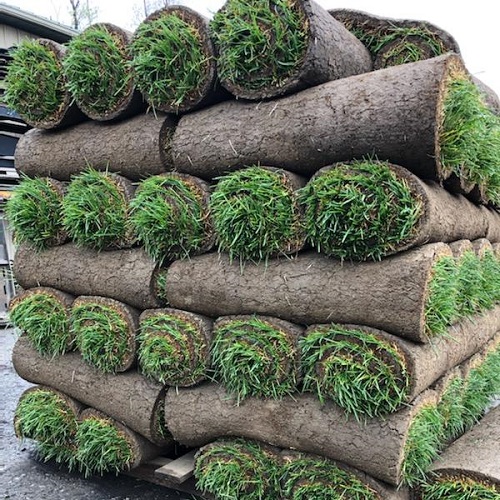
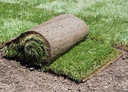
Sod can be sold rolled up on a pallet.
ALL SOD MUST BE INSTALLED ON THE DAY IT IS DELIVERED OR PICKED UP. NO WARRANTIES OR RETURN ON SOD.
For more information about Kentucky Bluegrass Sod from Mr. Mulch, contact us today at 614-792-8686.
Installing sod grass is a straightforward process that can give you a lush, green lawn quickly. Here’s a step-by-step guide to help you get started:
Tools and Materials Needed:
Step-by-Step Installation:
Prepare the Soil:
Test the Soil: If possible, test your soil to determine its pH and nutrient levels. Amend as necessary with fertilizers or lime based on the test results.
Clear the Area: Remove any existing grass, weeds, rocks, or debris from the area where you plan to install the sod.
Loosen the Soil: Use a garden tiller or shovel to loosen the top 2-4 inches of soil. This helps the sod roots establish better.
Level the Ground: Use a rake to level the soil, filling in any low spots and removing high spots. Aim for a smooth, even surface.
You can use a leveling tool to ensure that the ground is flat.
Water the Soil: Lightly water the prepared soil to help settle it and provide moisture for the sod.
Lay the Sod: Start laying the sod along a straight edge, such as a sidewalk or driveway.
Stagger the seams of each row like bricks, avoiding long, continuous seams.
Make sure the edges of the sod pieces fit tightly together to prevent gaps.
Cut the Edges: Use an edger or shovel to cut the sod around curves or obstacles as needed. Ensure the edges are flush with adjacent pieces.
Water the Sod: Once all the sod is laid, water it thoroughly to help it settle and reduce stress. Aim for about 1-2 inches of water to soak the soil beneath the sod.
Roll the Sod (Optional): For a flat, even surface, you can use a lawn roller to press the sod down into the soil. This step is optional but can help eliminate air pockets.
Establish a Watering Schedule: For the first couple of weeks, keep the sod consistently moist (but not soggy). Water daily for the first week, then gradually reduce frequency while increasing the depth of watering.
Avoid Traffic: Try to keep foot traffic off the new sod for at least two weeks to allow it to establish roots.
Maintenance: After the sod has established (usually in about 2-3 weeks), you can begin to mow it when it reaches about 3 inches in height.
Follow up with regular watering, fertilizing, and mowing to keep your new lawn healthy and vibrant.
By following these steps, you should have a beautiful, healthy lawn in no time! If you have any questions or need more specific advice, feel free to ask.
Yes, you can lay sod over existing grass, but it’s generally not recommended as the best practice for several reasons. Here’s what you need to consider:
Pros and Cons of Laying Sod Over Existing Grass
Pros:
Cons:
Best Practices If You Choose to Lay Sod Over Existing Grass
If you decide to proceed with laying sod over existing grass, follow these tips to improve your chances of success:
Conclusion
While it’s possible to lay sod over existing grass, removing the old grass and properly preparing the soil is typically the best approach for ensuring a healthy, vibrant lawn. If you decide to go ahead with laying sod over grass, following the best practices mentioned can help increase your chances of success.

To install this Web App in your iPhone/iPad press
 and then Add to Home Screen.

Beth Ponader - Lead Landscape Project Consultant

Billy Parsley - Senior Accounting Specialist

Craig Schweitzer - Chief Servant & Steward

Cuco Sanchez - Hardscape Installation Expert

Eliseo Romero Martinez - Delivery & Logistics Specialist (CDL-A)

Grant Synder - Operations & Service at Mr Mulch Landscape Supply

Harrison Schweitzer - Business Growth & Development

John Schweitzer - Store Manager at The Outdoor Living Store

Lisa McCombs - Senior Landscape Project Consultant

Noah Anderson - Operations & Service at Mr Mulch Landscape Supply

Zach Raymond-Stern - Web & Digital Marketing Specialist

Zach Tyner - Store Manager at Mr. Mulch Landscape Supply